















Hot, dry weather can quickly take its toll on our gardens. Hanging baskets begin to wilt, lawns turn brown, veg plants may bolt, pots dry out and newly planted flowers can struggle to establish.
Water demand also rises considerably during prolonged periods of hot weather. At the time of writing, Temporary Use Bans - more commonly known as hosepipe bans - are in force across several parts of England and Wales. This includes restrictions introduced in parts of west Wales on 19 July 2026. Restrictions vary between water companies and locations, so always check the rules for your postcode before using a hosepipe or sprinkler.
The good news is that you don’t need to spend all day watering to keep your garden healthy. A few simple changes can help your soil retain moisture, protect vulnerable plants and make every drop of water count.
1. Water less frequently but more thoroughly
Giving plants a quick sprinkle every day can encourage their roots to remain close to the surface, where the soil dries out fastest.
Instead, water plants slowly and thoroughly so moisture reaches deeper into the soil. This encourages plants to develop stronger, deeper root systems, helping them cope better during future dry spells.
The RHS recommends watering less often but more thoroughly, rather than following a fixed routine regardless of the weather or condition of the soil.
Before watering, push your finger a few centimetres into the soil. The surface may look dry while the soil underneath is still damp.
Give priority to:
- Newly planted trees, shrubs and flowers
- Newly laid turf or recently sown lawns
- Hanging baskets and containers
- Fruit and vegetable plants
- Seedlings and young plants
- Plants showing signs of stress or wilting
Established trees, shrubs and perennial plants generally need less attention unless conditions become particularly dry.
2. Water early in the morning or during the evening
The best time to water your garden is usually early in the morning, before temperatures rise.
Evening watering is another option, particularly for pots and containers, although morning watering gives damp foliage time to dry during the day - slugs and snails are more likely to be encouraged if you water later too!
Try to avoid watering in the middle of the day. In strong sunshine and high temperatures, more water can be lost through evaporation before it reaches the plant’s roots.
Always direct water towards the base of the plant rather than spraying it over the leaves. This helps the water reach the roots where it is needed most.
3. Add mulch to retain moisture
One of the easiest ways to protect your garden during a heatwave is to cover exposed soil with mulch.
Mulching helps to:
- Reduce moisture loss from the soil
- Protect roots from temperature extremes
- Suppress weeds
- Reduce the need for frequent watering
- Give beds and borders a neat finish
Suitable mulching materials include compost, well-rotted organic matter, bark, wood chips, gravel and slate chippings. Applying a layer of mulch around 5cm deep will help reduce water loss and protect the soil.
Water the ground thoroughly before applying mulch. Leave a small space around plant stems and tree trunks rather than piling material directly against them.
Which type of mulch should you use?
Bark mulch
Bark is an attractive option for beds, borders and around shrubs. It helps cover exposed soil, retain moisture and reduce weed growth.

Compost and soil improver
Organic materials can help improve soil structure and its ability to hold moisture. They are particularly useful for tired, sandy or low-quality soils.
Shop our range of compost and soil improvers

Decorative gravel and slate
Decorative aggregates can also be used as a surface mulch around suitable plants. They provide a tidy, low-maintenance finish while helping to shade the soil surface.
Shop our range of decorative gravel

4. Move pots into a more sheltered position
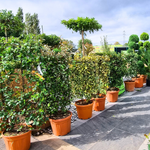
Pots, planters and hanging baskets can dry out much faster than beds and borders because they hold a limited amount of compost.
During very hot weather, check the moisture level in containers at least once a day. Small pots and hanging baskets may need checking more frequently.
Grouping pots together can create some mutual shade and help reduce their watering requirements. Moving containers away from strong afternoon sunshine and drying winds can also make a noticeable difference.
You can add a thin layer of bark, grit or decorative gravel to the surface of larger containers to help reduce evaporation.
Check that drainage holes are clear, too. Plants need moisture, but roots sitting permanently in water can become damaged.
5. Don’t panic if your established lawn turns brown
A brown lawn may look unhealthy, but established grass is surprisingly resilient.
During extended dry weather, grass can become dormant and stop producing green growth. In many cases, it will begin growing again once cooler and wetter conditions return.
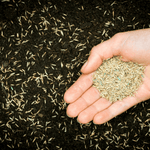
Avoid unnecessary watering of established lawns during summer droughts. Newly laid turf and recently sown lawns are the main exceptions because their roots are not yet fully established.
To help an established lawn during hot weather:
- Raise the cutting height on your mower
- Mow less frequently
- Stop mowing if the grass has stopped growing
- Avoid cutting the lawn extremely short
- Leave fine grass clippings in place to act as a light mulch
- Avoid applying fertiliser or lawn treatments to drought-stressed grass
A longer lawn provides more shade at soil level and encourages deeper rooting.
When the weather improves check out our Lawn Care range - perfect for helping your lawn become lush and green again.
6. Take extra care with newly laid turf
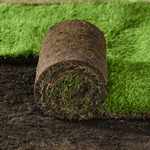
New turf requires consistent moisture while its roots establish in the soil. Hot, sunny and windy weather can cause it to dry out extremely quickly. Ideally, avoid laying turf during extreme heat, unless you are able to give it the care and water it needs.
If your turf has already been delivered or laid:
- Lay it as soon as possible after delivery or collection, ideally within 2 hours.
- Do not leave turf rolled up in hot weather.
- Water the prepared soil before installation if it is dry.
- Water the turf thoroughly immediately after laying.
- Lift a corner to check that water has reached the soil beneath.
- Continue checking the turf regularly while it establishes.
- Avoid walking on it until the roots have taken hold.
Where hosepipe restrictions apply, check your water company’s current rules and exemptions before laying new turf. Turf laid before the ban may be exempt, whereas turf purchased after the ban will need to be watered with a watering can or bucket.

7. Concentrate water around the roots
When water is limited, target it carefully.
Create a shallow basin in the soil around larger plants, trees and shrubs. This helps prevent water running away across dry or compacted ground.
Apply the water slowly, allowing it to soak in before adding more. Watering too quickly can lead to surface runoff, particularly on slopes or soil that has become baked hard.
For rows of vegetables, water along the base of the plants rather than over the entire growing area.
8. Keep weeds under control
Weeds compete with garden plants for both moisture and nutrients.
During hot weather, remove weeds from beds, borders, containers and vegetable plots before they become established. Covering the soil with mulch afterwards will help prevent more weeds from germinating.
Mulching fruit and vegetable beds with a 5 to 7.5cm layer of suitable organic matter can help retain moisture while also improving the soil.
9. Improve soil that dries out too quickly
Soil quality has a major effect on how quickly your garden dries out.
Very sandy soil can drain rapidly, while heavily compacted soil may prevent water from soaking in properly. Adding suitable organic matter can improve soil structure and increase its ability to retain moisture.
Before creating a new bed or border, prepare the ground with good-quality topsoil, compost or soil improver where required.
For existing beds, apply organic matter as a surface mulch and allow worms and natural soil activity to gradually incorporate it.
Shop our range of Topsoil & Compost
10. Reuse water where appropriate
Collected rainwater is ideal for many garden plants, so consider installing a water butt ready for future dry periods.
Depending on the plants and products involved, some household water may also be suitable for occasional garden use. For example, cooled water used for washing food may be reused rather than poured down the drain. Boiled water used for cooking vegetables great for plants, provided it is unseasoned. As vegetables boil, they leach beneficial micronutrients (like potassium, calcium, and iron) into the liquid, creating a natural, free fertiliser. Ensure it is cool before using on your garden.
Avoid using water containing bleach, disinfectant, dishwasher salt or strong cleaning products. Water containing a large amount of grease, oil or food waste should also be avoided.
During a hosepipe ban, watering cans and buckets are generally still allowed, although you must check the exact restrictions published by your local water company.
11. Choose plants that suit dry conditions
If your garden regularly becomes hot and dry, consider introducing plants that are naturally suited to those conditions.
Popular options include:
- Lavender
- Rosemary
- Thyme
- Sedum
- Euphorbia
- Verbena
- Salvia
- Achillea
- Ornamental grasses
Even drought-tolerant plants need regular watering while they establish. Once they have developed a healthy root system, however, they should be better equipped to cope with dry spells.
Shop our range of Flower Seeds
12. Leave fresh water out for wildlife
Hot, dry weather can make it difficult for birds, hedgehogs, bees and other garden wildlife to find safe drinking water.
Place shallow dishes of fresh water around the garden, ideally in a shaded and sheltered position. Use containers with gently sloping sides, or add a few stones so insects can land safely and climb out if they fall in.
Try to provide water at different heights. A bird bath or raised dish can help birds, while a shallow bowl at ground level may be easier for hedgehogs and other small animals to reach.
During very hot weather:
- Top up the water regularly
- Replace it each day where possible
- Clean bowls and bird baths frequently
- Keep ground-level dishes away from dense cover where cats could hide
- Avoid using deep containers that small animals may struggle to escape from
A small pond can also provide an important source of water for wildlife. Make sure it has a shallow edge, ramp or stones so animals can get in and out safely.
Even a simple saucer of clean water can make a big difference during a heatwave.

Heatwave garden checklist
When temperatures rise, remember to:
- Check pots and hanging baskets daily
- Water thoroughly rather than sprinkling
- Water early in the morning where possible
- Direct water towards the roots
- Apply mulch to exposed soil
- Move vulnerable pots into partial shade
- Allow established lawns to become dormant
- Prioritise new turf and young plants
- Remove weeds
- Check your local hosepipe restrictions
- Leave out fresh water for wildlife
Make your garden more resilient
Periods of hot and dry weather can be challenging, but good soil preparation, careful watering and a generous layer of mulch can make a significant difference.
At Dandy’s, we supply a wide range of landscaping and gardening materials to help you protect and improve your outdoor space, including bark, compost, Welsh topsoil, soil improvers and decorative aggregates.
Whether you’re protecting established beds, improving dry soil or planning a more drought-resistant garden, you can order online for convenient delivery directly to your home.
Please note: Hosepipe restrictions and exemptions vary by location and may change at short notice. Always check the latest information from your local water company before using a hosepipe or sprinkler.