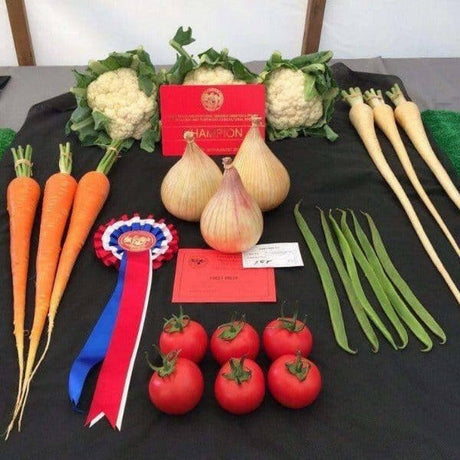










National Allotments Week 2026 takes place from Monday 10th August to Sunday 16th August 2026. This year’s theme is “Grow to Learn - Lifelong lessons from the allotment”, celebrating the knowledge, skills and experiences we gain from growing our own fruit, vegetables, flowers and plants.
Whether you have a full allotment, a raised vegetable bed, a greenhouse or just a few pots at home, National Allotments Week is a great excuse to get outside, get your hands dirty and grow something.
What is National Allotments Week?
National Allotments Week is an annual celebration of allotments and the important role they play in communities across the UK.
Allotments provide space to grow fresh fruit, vegetables and flowers, but they can offer much more than a harvest.
They are places to:
- Learn practical growing skills
- Spend time outdoors
- Understand where food comes from
- Support insects and wildlife
- Meet and learn from other gardeners
- Experiment with different crops and growing techniques
- Share gardening knowledge between generations
You certainly don't need to be an expert before getting started.
In fact, learning as you go is half the fun.
What is the National Allotments Week 2026 theme?
The theme for National Allotments Week 2026 is:
"Grow to Learn – Lifelong lessons from the allotment"
It is a perfect description of allotment gardening.
Every growing season teaches you something new.
You discover which vegetables grow well in your soil.
You learn which part of the plot gets the most sun.
You find out how often your plants need watering.
You discover which crops you absolutely love growing - and perhaps which ones you'll never bother with again!
Sometimes you get a bumper harvest.
Sometimes the slugs get there first.
And sometimes you discover that four courgette plants were probably three too many.
But every success - and every mistake - teaches you something for next year.
What can you learn from growing your own food?
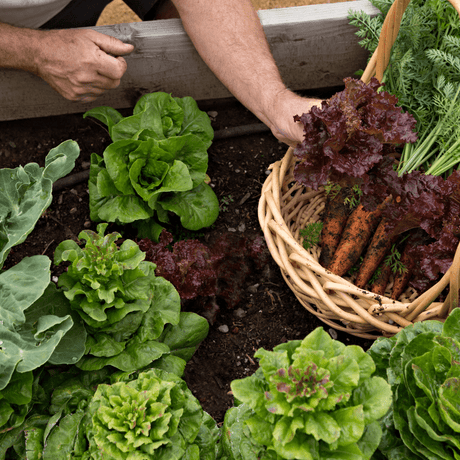
Growing your own fruit and vegetables can teach you a surprising amount about food, nature and the seasons.
You learn how long food actually takes to grow, how different plants respond to the weather and why good soil matters so much.
It also gives children the opportunity to see where food comes from.
A tiny seed planted in spring can become tomatoes, beans, potatoes, carrots or salad later in the year.
And there's something particularly satisfying about sitting down to dinner knowing something on your plate has travelled metres rather than miles.
What should I do on my allotment in August?
August is one of the busiest and most rewarding months on an allotment.
Crops are being harvested, beds are becoming available and warm weather can mean plants need additional care.
Here are some of the most useful allotment jobs to tackle during August.
Harvest fruit and vegetables regularly
- Tomatoes, courgettes, beans, potatoes, salad crops and other summer produce may all be ready to harvest.
- Picking crops regularly can encourage some plants to continue producing and also prevents produce becoming oversized or going to waste.
- And if you've grown far too many courgettes? Sharing your harvest with neighbours is practically an allotment tradition.
Keep plants watered
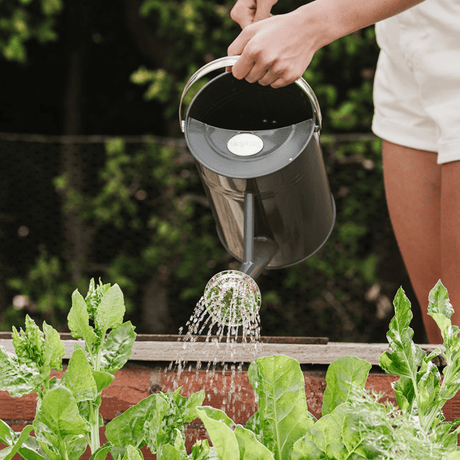
- During warm or dry weather, established vegetable plants may need additional watering.
- Watering thoroughly around the base of plants is generally more useful than giving the surface of the soil a very light sprinkle.
- Containers and raised beds can dry out particularly quickly, so keep an eye on them during hot spells.
Keep on top of weeds
- Weeds compete with crops for water, space and nutrients.
- Removing them while they are small can make the job much easier and helps prevent some weeds from setting seed.
Clear finished crops
- Once a crop has finished producing, remove the old plants and clear the growing area.
- Healthy plant material can often be composted, while diseased material should be dealt with appropriately rather than simply digging it back into the bed.
- Clearing finished crops also gives you a great opportunity to inspect and improve the soil underneath.
Give tired beds some TLC
- Vegetable beds work hard throughout the growing season.
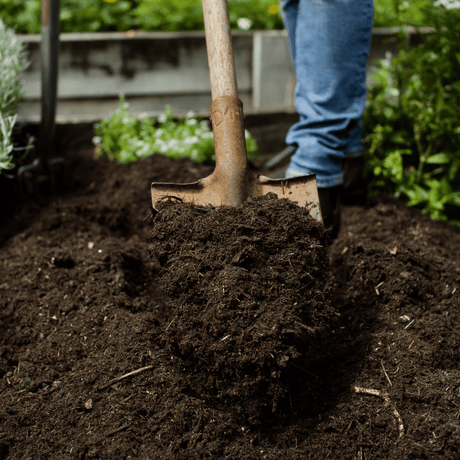
- Once areas become empty, adding organic matter such as compost can help replenish the growing medium and improve the condition of established soil.
- You don't necessarily need to wait until spring to think about soil improvement. Empty beds later in summer and autumn offer an ideal opportunity to prepare for future crops.
How can I improve allotment soil?
One of the most important lessons any gardener learns is simple:
Look after your soil and your soil will look after your plants.
Vegetables remove nutrients from the soil as they grow, so repeatedly cropping the same beds without replenishing them can leave the growing medium tired.
Adding good-quality compost and mulch can help improve the soil structure and replenish growing beds.
Before adding any new material, it is also worth looking at what you already have.
Is the soil:
- Very sandy and quick draining?
- Heavy and difficult to work?
- Dry and dusty?
- Low in organic matter?
- Compacted after repeated use?
Understanding your existing soil will help you decide what it needs.
What is the best soil for growing vegetables?
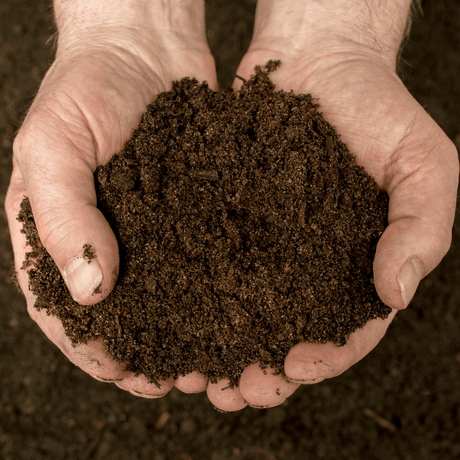
Vegetables generally perform best in fertile, workable soil with good drainage and plenty of organic matter.
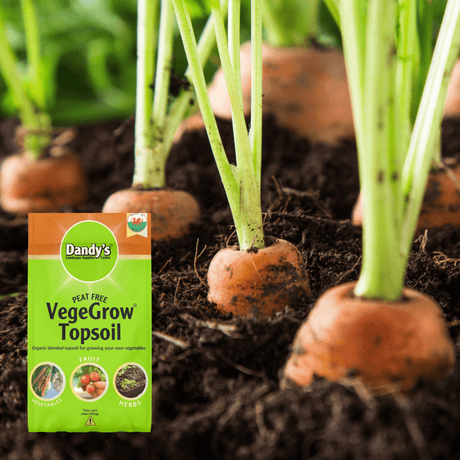
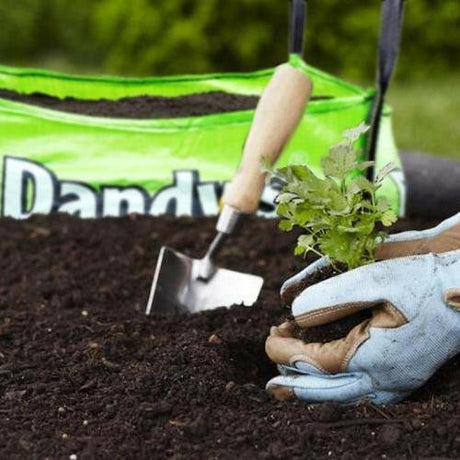
For new vegetable beds, raised beds or allotment growing areas, using a topsoil specifically designed for fruit and vegetable growing can provide a good starting point.
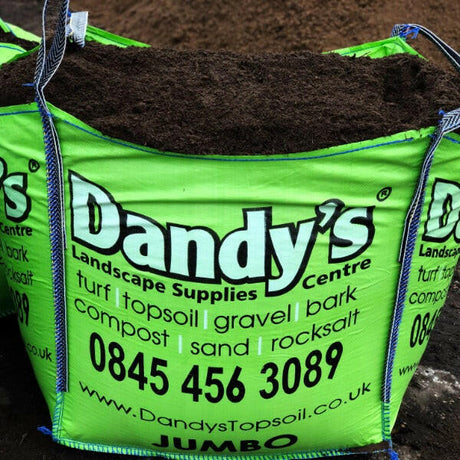
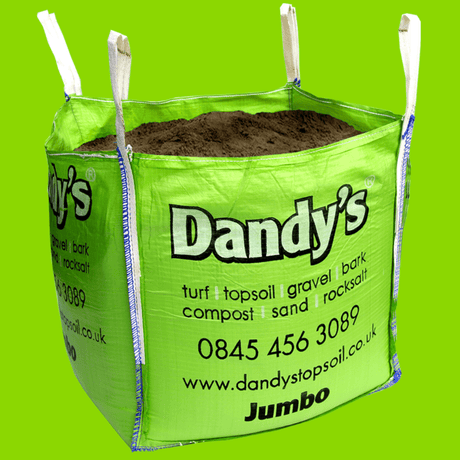
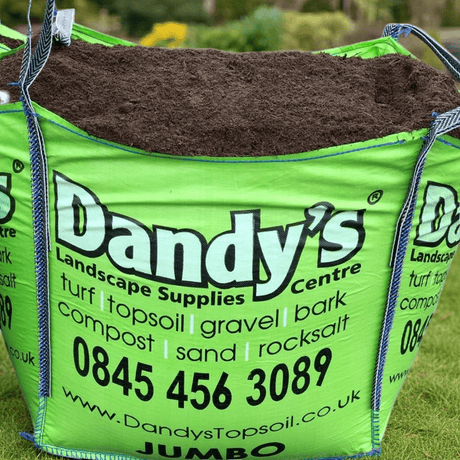
Dandy's VegeGrow® Topsoil has been developed specifically for growing fruit and vegetables and can be used for vegetable patches, allotments and raised beds.
For established growing areas, adding compost can also help replenish organic matter and improve tired soil between crops.
Dandy tip: Don't only think about your soil when plants start struggling. Regularly adding organic matter and looking after the growing medium can help keep beds productive from one season to the next.
Should I put compost on my allotment?
Absolutely! Compost is a necessary addition to allotment and vegetable beds because it adds organic matter to the soil.
It can be used when preparing new beds or incorporated into existing growing areas when crops have finished.
Compost is particularly useful where soil has been heavily cultivated over several growing seasons.
If you're applying compost around plants that are already growing, avoid burying stems or completely covering young plants.
How can I make allotment paths easier to maintain?
Not every part of an allotment needs to be used for planting.
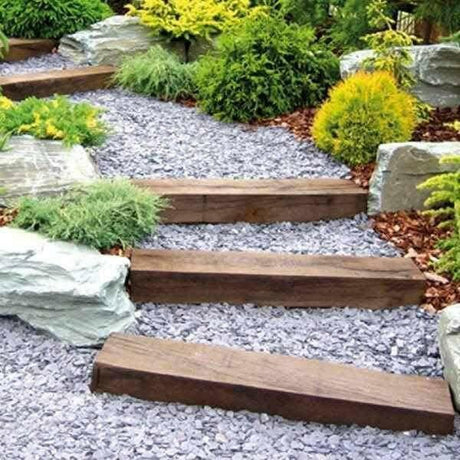
Creating clearly defined pathways can make plots easier to access and maintain, particularly during wet weather.
Hardwood chips or bark can be used to create practical pathways between beds.
A suitable weed membrane beneath non-growing areas can also help reduce weed growth through pathways.
Keep weed membrane away from areas where you want plants to grow directly into the soil.
Are raised beds good for growing vegetables?
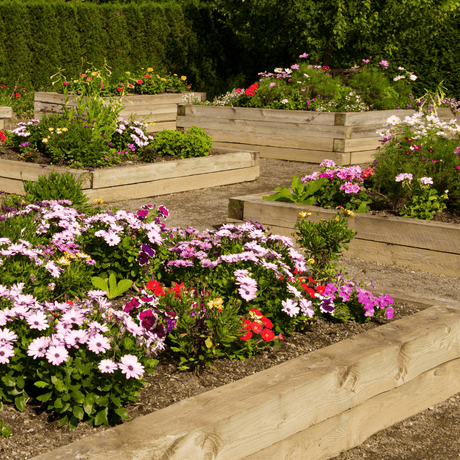
Raised beds are a popular way to create defined vegetable-growing areas.
They can be particularly useful if you want to:
- Create an organised growing space
- Improve access around crops
- Fill an area with fresh growing media
- Keep different crops separated
- Grow vegetables in a garden rather than an allotment
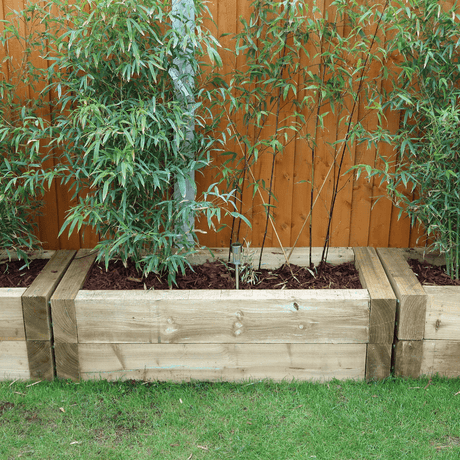
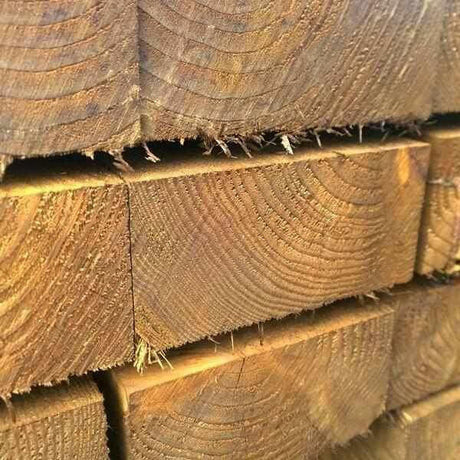
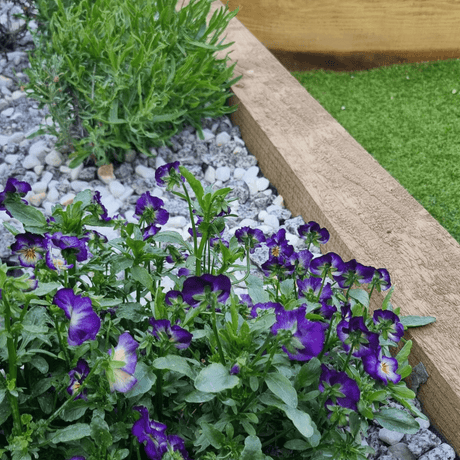
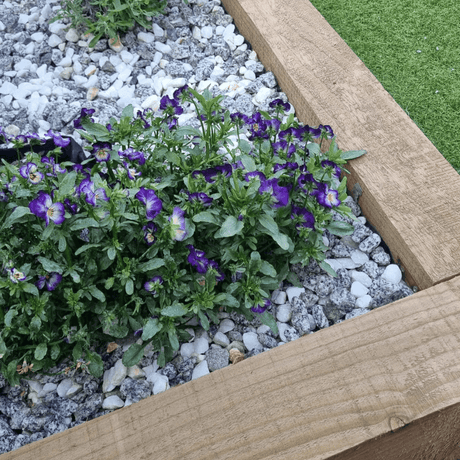
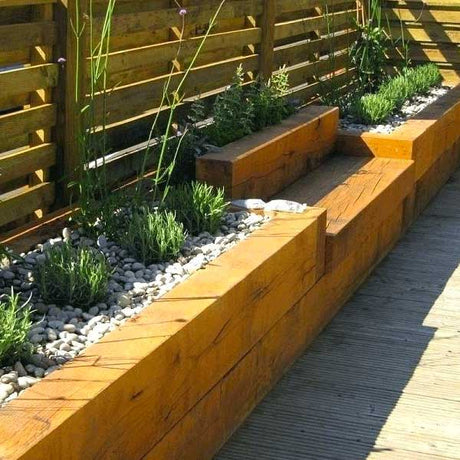
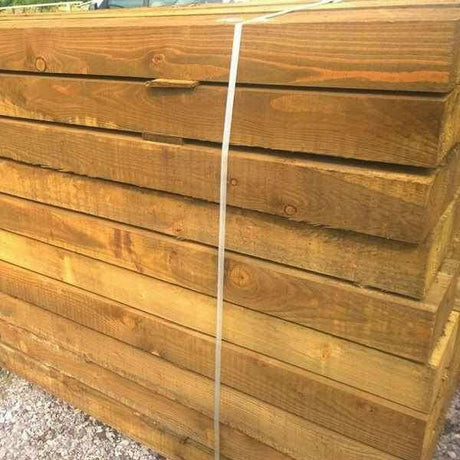
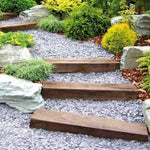
Raised beds can be made using timber sleepers and filled with suitable topsoil and compost.
They are also a great option for anyone who wants to grow their own food but doesn't have access to an allotment.
Can you grow your own vegetables without an allotment?
Absolutely.
You don't need a traditional allotment plot to start growing food.
You can grow vegetables in:
- Raised beds
- Garden borders
- Large pots
- Containers
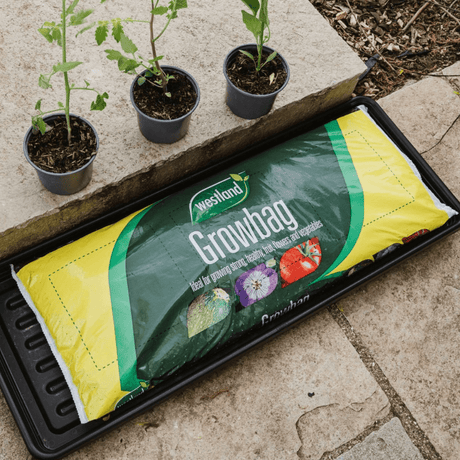
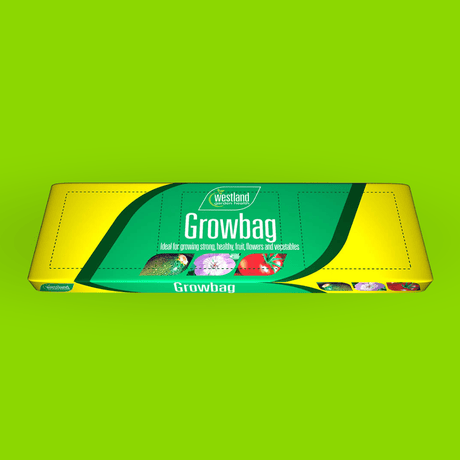
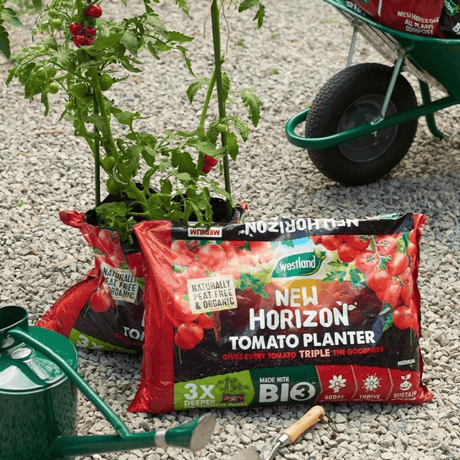
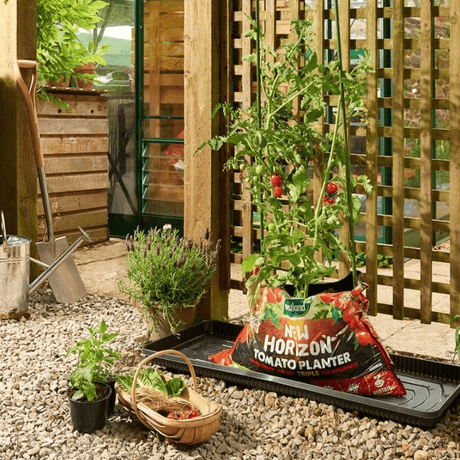
- Grow bags
- Greenhouses
- Small vegetable patches
Herbs, salad leaves, tomatoes, strawberries and many other edible plants can also be grown in relatively small spaces.
The important thing is simply to start.
Share what you learn
One of the loveliest parts of allotment gardening is how much knowledge gets passed between people.
A tip from the gardener on the next plot.
Seeds passed between neighbours.
Advice remembered from grandparents.
Children pulling their first potato from the ground.
A spare bag of runner beans left outside someone's door.
Allotments bring together people with completely different levels of experience – and almost everyone has something they can teach someone else.
That is exactly what Grow to Learn is about.
National Allotments Week 2026 FAQs
What should I do on my allotment in August?
Important August allotment jobs include harvesting regularly, watering during dry weather, keeping on top of weeds, clearing finished crops and beginning to improve empty growing beds.
What is the best soil for an allotment?
A good allotment soil should be fertile, workable and contain plenty of organic matter. Vegetable-growing topsoil can be useful when creating new beds, while compost can help improve established growing areas.
Can I add compost to an allotment?
Yes. Compost can add organic matter to established allotment soil and can be particularly useful when improving beds between crops.
Can I grow vegetables without an allotment?
Yes. Raised beds, vegetable patches, containers and large pots can all be used to grow your own fruit, vegetables and herbs at home.
What can I use for allotment paths?
Bark and hardwood chips can create practical pathways between growing beds. Weed membrane can also be used beneath non-growing pathways to help suppress weeds.
Ready to get growing? 🌱
Whether you're starting your first vegetable patch, improving an established allotment or building a brand-new raised bed, giving your plants a good growing environment is one of the best places to start.
At Dandy's, you'll find topsoil, compost, raised-bed materials, bark, hardwood chips and other Grow Your Own essentials to help you create and maintain your growing space.
Grow something new. Learn as you go. Share what you know.