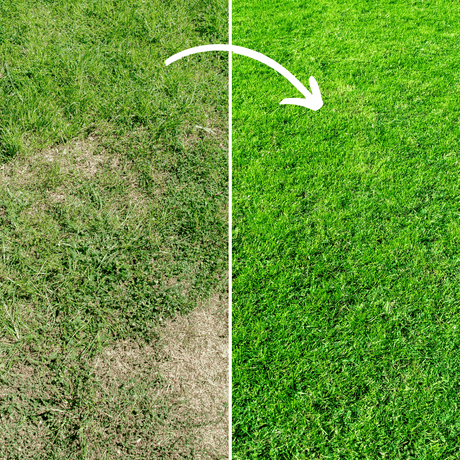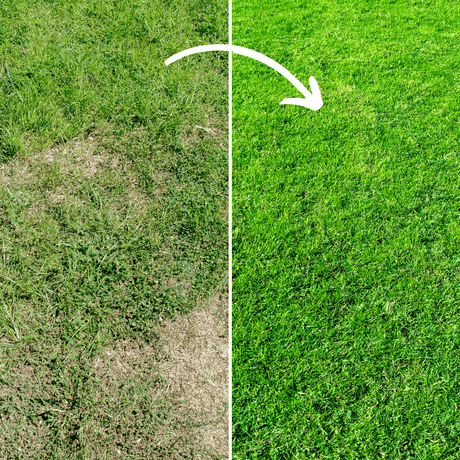













When temperatures soar, your lawn can quickly become stressed, dry, and damaged. Prolonged periods of hot weather combined with little rainfall can leave grass turning brown, patchy, and brittle underfoot.
The good news is that with the right care and preparation, your lawn can survive a heatwave and recover much faster once cooler weather returns.
At Dandy’s Nationwide Garden Supplies, we supply everything from quality topsoil and compost to lawn turf and bark mulch to help keep gardens healthy all summer long.
Why Heatwaves Damage Lawns
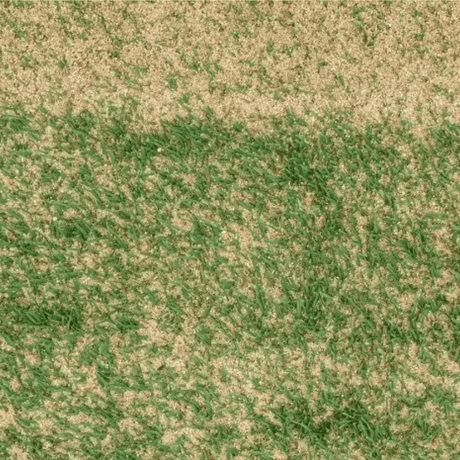
Grass naturally slows its growth during very hot weather to conserve moisture. Without enough water, lawns can become:
- Dry and straw-like
- Brown or yellow in colour
- Patchy and uneven
- Vulnerable to weeds and moss
- Compacted and hard
The combination of high temperatures and dry soil means grass roots struggle to access the moisture and nutrients they need.
If your lawn has been laid recently, it is especially important to monitor it closely during periods of extreme heat.
Water Your Lawn Properly
One of the biggest mistakes homeowners make during a heatwave is watering incorrectly.
Best Time to Water Grass
The best times to water your lawn are:
- Early morning
- Late evening
Avoid watering during the hottest part of the day, as much of the water will evaporate before it reaches the roots.
Morning watering is usually best, as it allows moisture to soak into the soil before temperatures rise.
Water Deeply, Not Little and Often
A light sprinkle only wets the surface and encourages shallow roots.
Instead:
- Water thoroughly
- Allow the moisture to soak deep into the soil
- Encourage stronger root growth
This helps grass become more drought resistant over time.
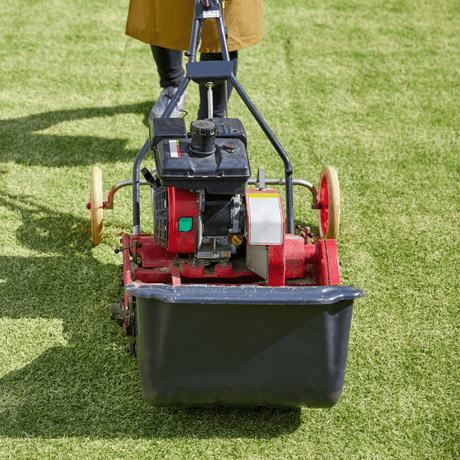
Raise Your Mower Height
During hot weather, avoid cutting your grass too short.
Longer grass:
- Shades the soil
- Reduces evaporation
- Protects roots from direct sunlight
- Helps retain moisture
Try raising your mower blades slightly throughout the summer months.
Avoid mowing during the hottest part of the day, especially if your lawn already looks stressed.
Avoid Heavy Use During Heatwaves
Dry lawns are more easily damaged by:
- Foot traffic
- Garden furniture
- Children's play equipment
- Pets running repeatedly across the same area
If possible, reduce heavy use until temperatures cool down.
Feed Your Lawn Carefully
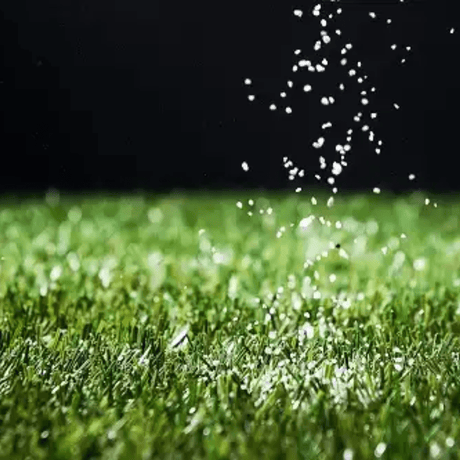
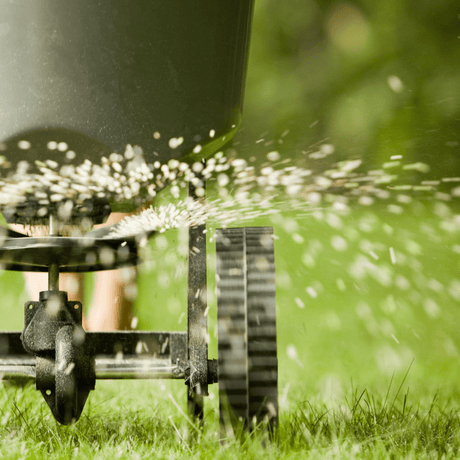
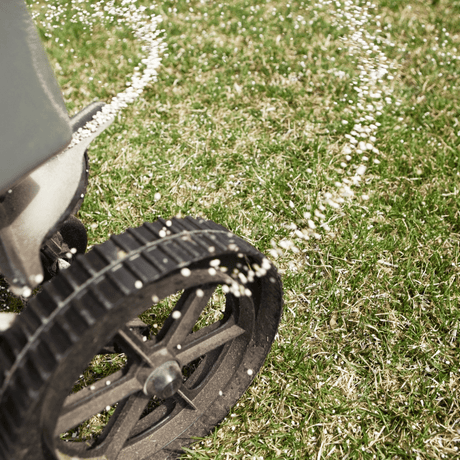
Applying strong fertilisers during extreme heat can sometimes scorch your grass.
If your lawn needs feeding:
- Use a gentle summer lawn feed
- Avoid over-application
- Water thoroughly afterwards
For new lawns, improving the soil underneath is often more important than adding excessive fertiliser.
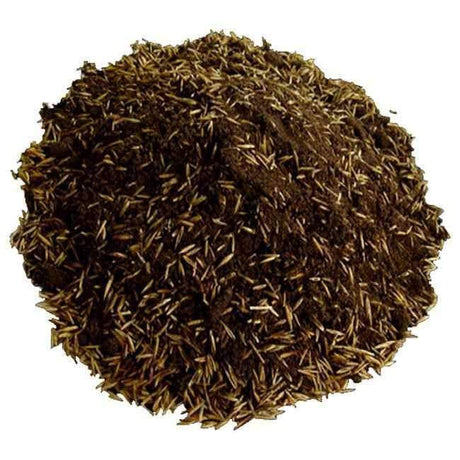
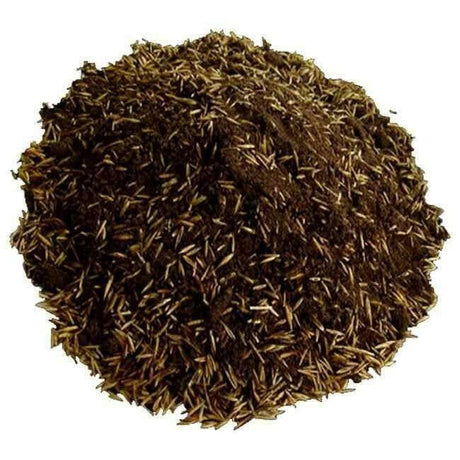
Our range of quality lawn and soil products can help improve moisture retention and encourage healthier growth:
Mulch Your Borders to Reduce Water Loss
Heatwaves do not just affect lawns - garden borders and plants also suffer from rapid moisture loss.
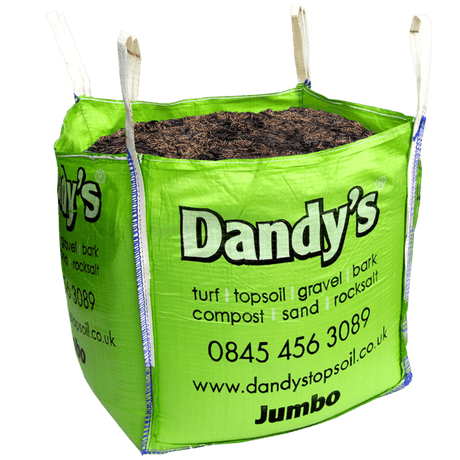
Adding bark mulch around plants helps:
- Retain moisture
- Keep soil cooler
- Reduce evaporation
- Suppress weeds
When the sun shines directly onto bare soil, moisture evaporates quickly. Mulch acts as insulation for the soil beneath.
Browse our:
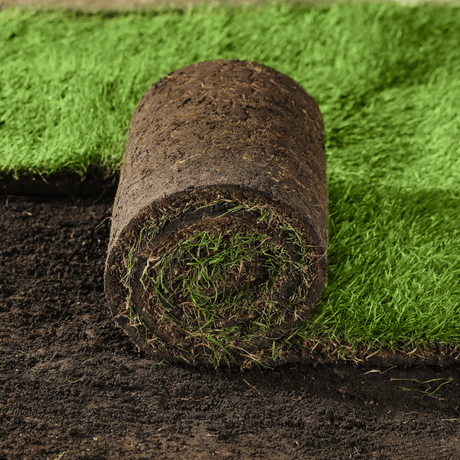
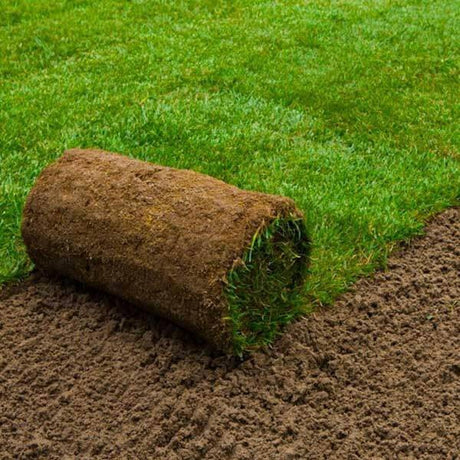
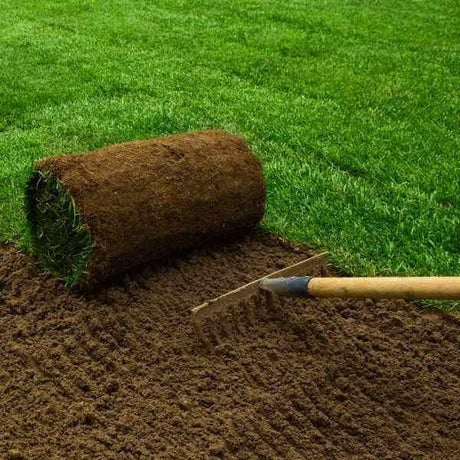
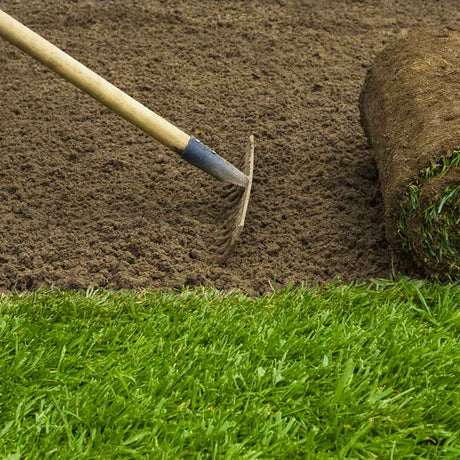
Caring for Newly Laid Turf During Hot Weather
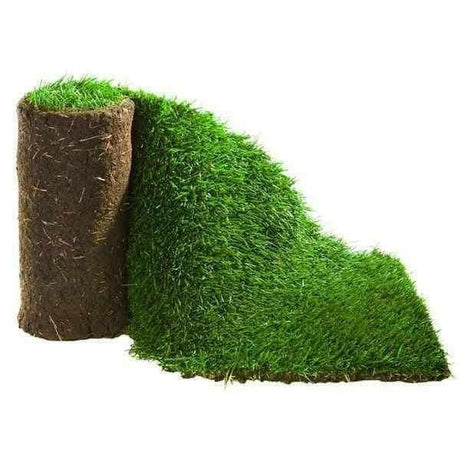
Fresh turf requires extra care during a heatwave.
If you have recently laid new grass:
- Lay turf immediately after delivery where possible
- Water thoroughly after laying
- Keep consistently moist for the first few weeks
- Avoid walking on newly laid turf
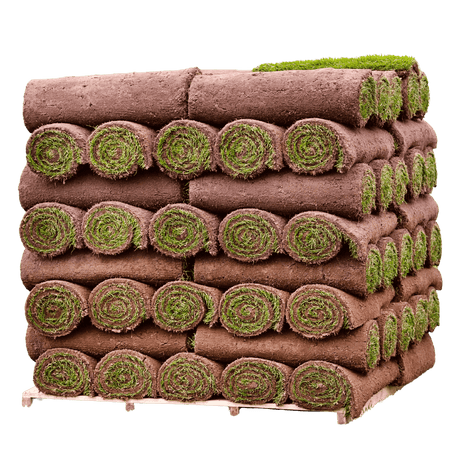
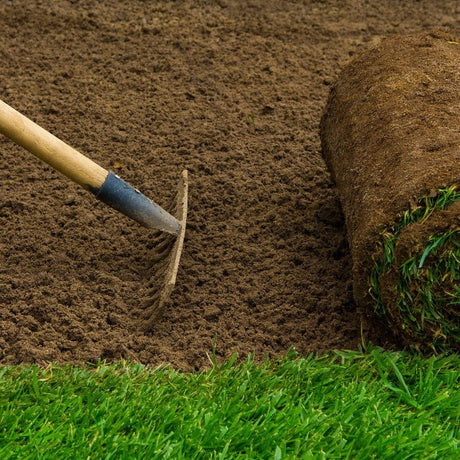
At Dandy’s, we always recommend laying turf within approximately 2 hours of delivery for the best possible results.
You can browse our:
Improve Soil Quality for Better Drought Resistance
Healthy soil plays a huge role in lawn health.
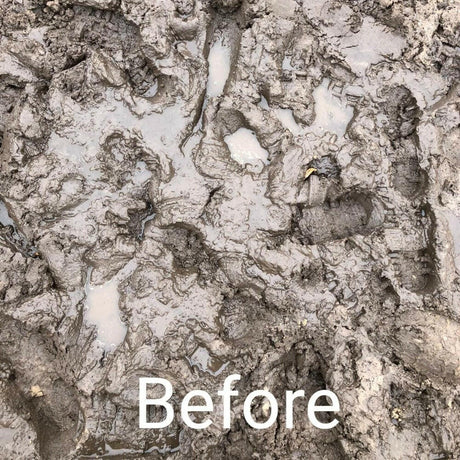
Poor quality or compacted ground struggles to:
- Retain moisture
- Drain properly
- Support healthy root systems
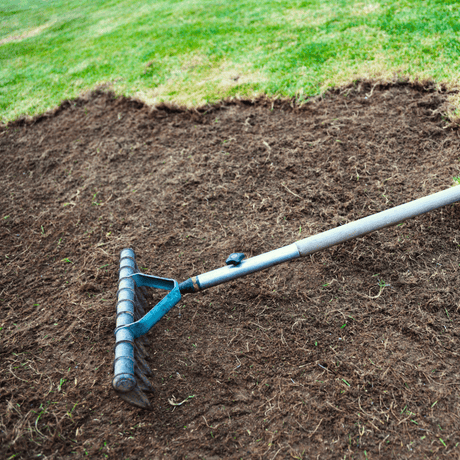
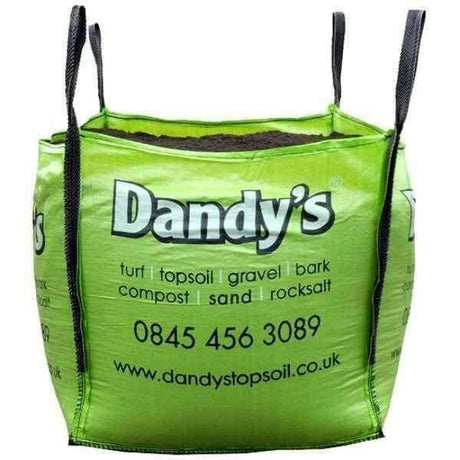
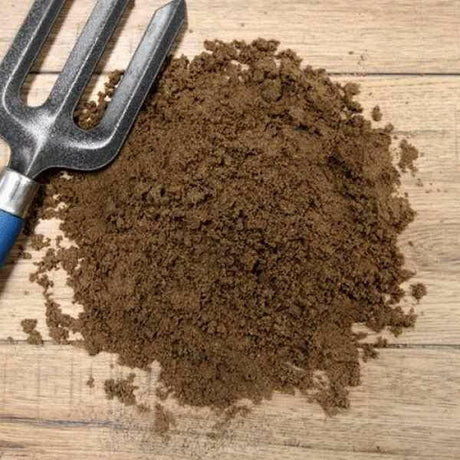
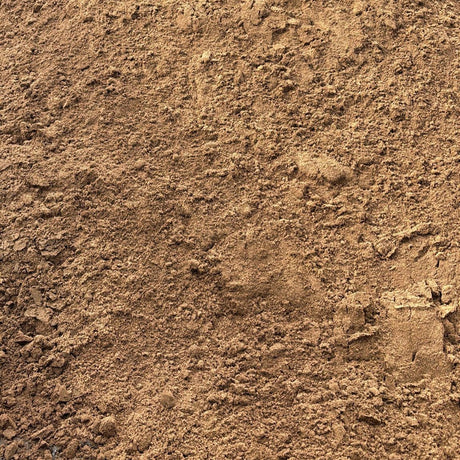
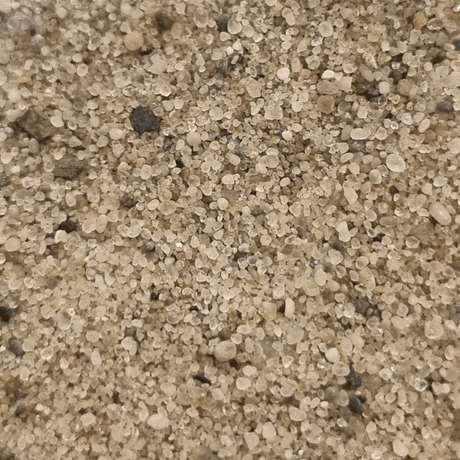
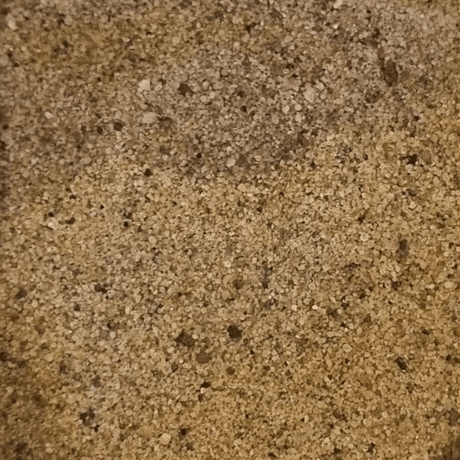
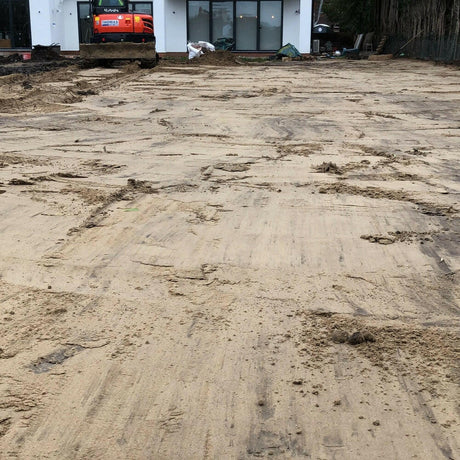
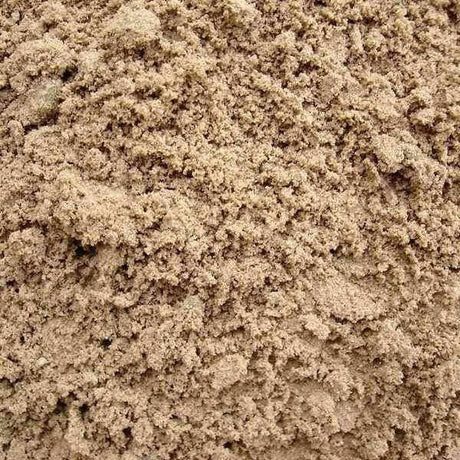
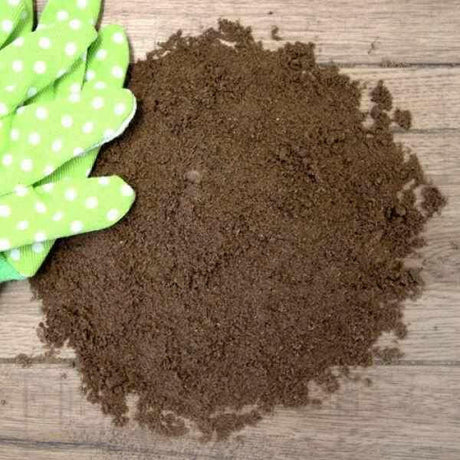
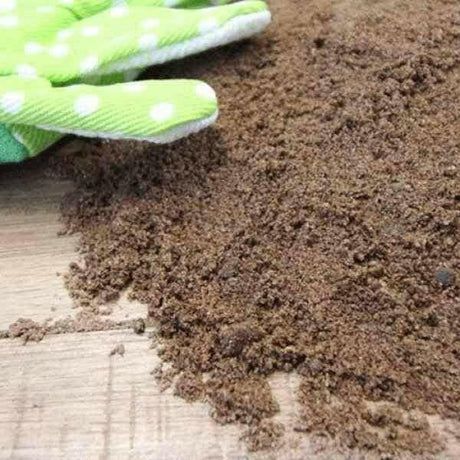
Adding quality sandy loam topsoil or organic compost can significantly improve lawn performance during dry weather.
Our premium lawn soils are ideal for:
- New lawns
- Lawn repairs
- Levelling uneven grass
- Improving drainage and moisture retention
Related products:
Should You Worry if Your Lawn Turns Brown?
Not always.
Many lawns enter a temporary dormant state during prolonged heat and drought. This is the grass protecting itself until rainfall and cooler temperatures return.
In many cases:
- Brown grass is not dead
- The roots are still alive underneath
- Lawns can recover surprisingly quickly with rain and cooler weather
- Continue basic maintenance and avoid overcutting or excessive feeding.
Final Thoughts
Heatwaves can be tough on lawns, but a few simple maintenance steps can make a huge difference.
Remember to:
- Water deeply and at the right times
- Keep grass slightly longer
- Avoid excessive wear
- Improve soil quality
- Mulch surrounding borders
- Give newly laid turf extra attention
Whether you are repairing a damaged lawn, laying fresh turf, or improving your garden soil, Dandy’s Nationwide Garden Supplies delivers quality landscaping products nationwide across the UK.